MUSE and Le Albere Area, Trento
Architect: Renzo Piano Building Workshop
Year: 2016
Location: Trento, Italy
Category: Landscape / Culture / Leisure
Status: Built
About
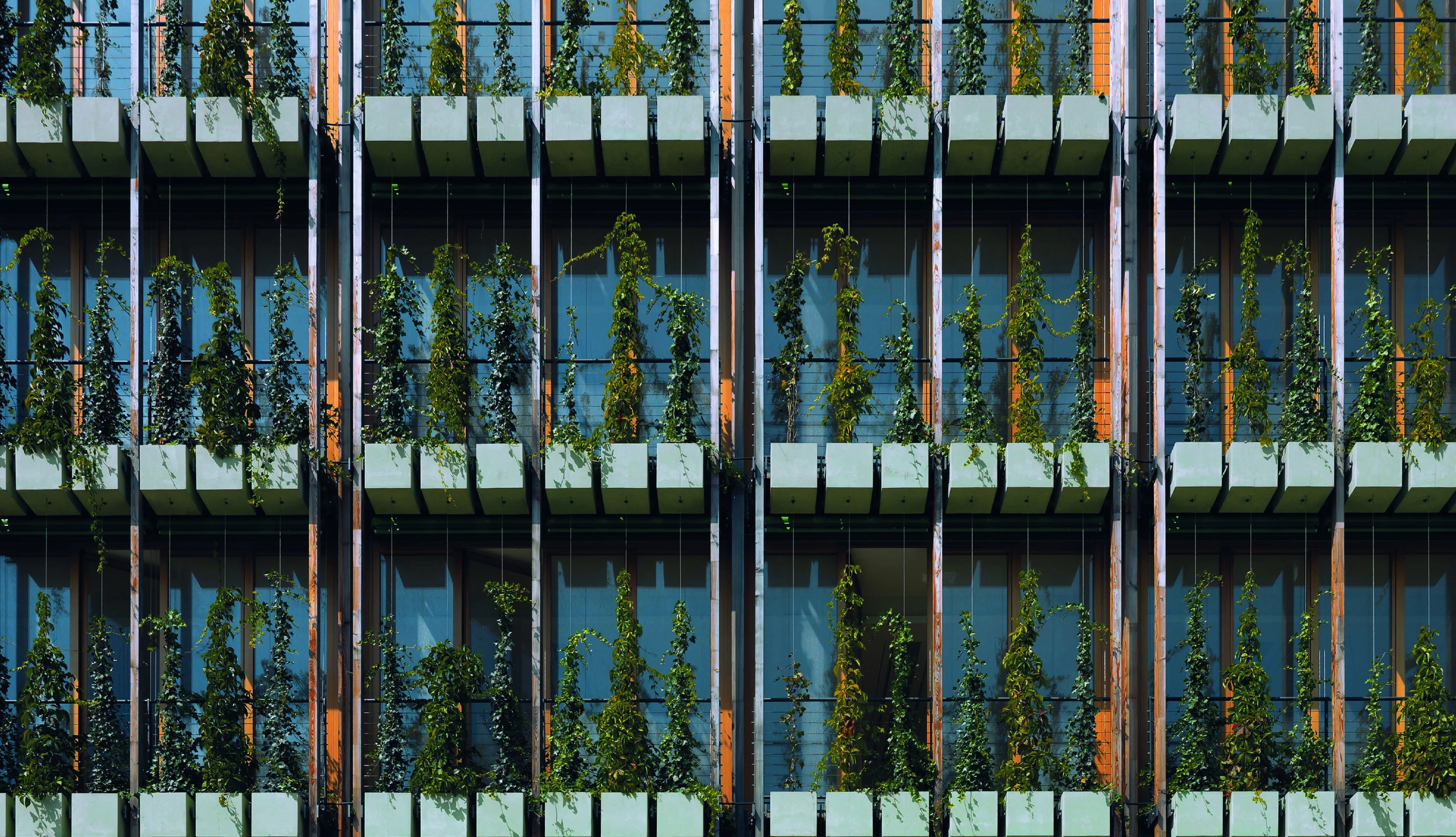
The Quartiere delle Albere district in Trento used to be the site of a former Michelin factory. This site shares many characteristics with the urban fabric: the clear hierarchy of the design, its functional stratification, and an overall similarity in the size of buildings and materials. This urban renewal project has reconnected the city to its natural context, aside from bringing the district closer to the city thanks to the construction of buildings like MUSE, the new Science Museum. The boundaries of the new district, which covers an area of 116,300 sq m, are clearly defined by the Adige River to the west and the railway to the east. The northern edge borders the Palazzo delle Albere, a Renaissance villa-cum-fortress. The project called for a mixed development so that the area could be self-contained with all the services and functions. The new buildings have a clear and unified horizontal impact on a similar scale to those in Trento’s historical center and are located on the eastern side of the site, leaving the western part open for a new public park facing the river. The buildings are interspersed with green areas and a system of canals that crosses over the entire area and connects it with the river and landscape. The layout of the commercial buildings is linear and their ‘green’ facades become something of a natural screen hiding the tracks along which they are lined up. The residential buildings have open courtyards that have been cut into them so that glimpses of the internal treed gardens can be seen from the outside. The buildings are four to five storeys high and their zinc roofs give the neighborhood a certain visual unity. A taller building stands on either side of the complex: the Univesity Library BUC, completed in 2016, to the south and MUSE – a large interactive science museum – on the northern end.