Aragonia Complex in Zaragoza
Architect: Rafael Moneo
Year: 2010
Location: Zaragoza, Spain
Category: Cultural / Shopping center
Status: Built
About
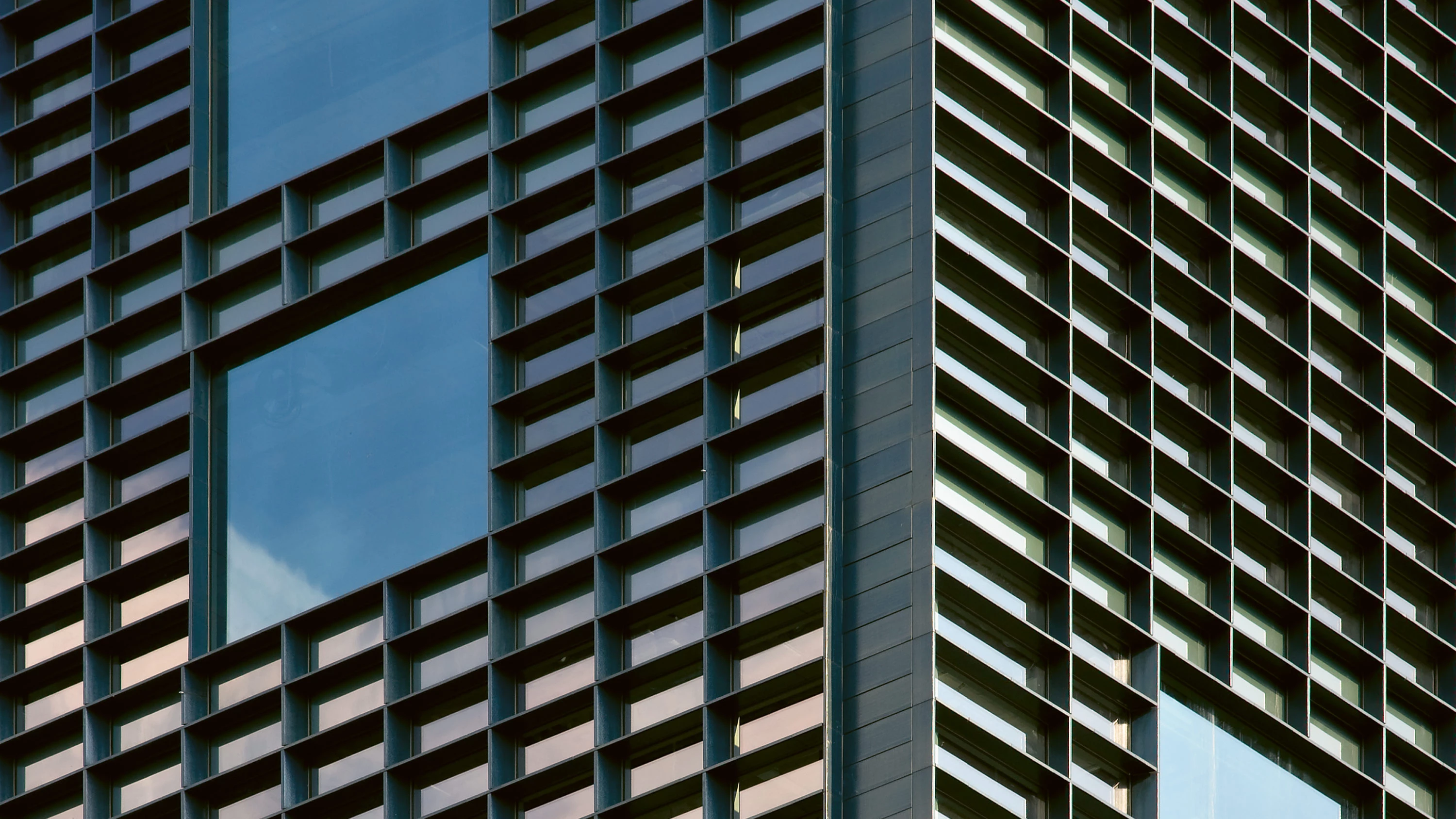
The Aragonia Complex was designed with a clear objective: to create a social hub in a densely populated area of Zaragoza, and to do so not through a monumental affirmation, but through an architecture that speaks of the richness and diversity of social life. Upon defining the essence of the project, its main features could be organized into a triad: ‘accessibility, diversity, availability.’ The project is accessible because it turns the existing void into an urban island that is open to everyone and in particular to the neighbors of the area. It is diverse because it also hopes to become a referent for all citizens, and that is why it is ultimately also a project that suggests the idea of availability. Under these premises, Aragonia is not understood as a monolithic mass where the features of the volume prevail, but as a group of buildings that maintain their identity and their independence, while sharing common objectives. The complex brings together buildings of different uses and functions, something that is present in the discontinuity of the masses that emerge from a common base and that is also reflected in the disparity of materials. The program’s diversity becomes clear in the volume containing a squared, slender office tower and a prismatic hotel. The tension between these two pieces anticipates a vital urban life. Nevertheless, in this play of tensions the residential towers are also important, each one of them composed of four prisms that are articulated around a core, and in which the vertical character is underscored by the autonomy of each one of the prisms. Their powerful volume is one of the key episodes in defining the architecture of the project, but its importance is also accountable to that of the horizontal base on which they rest, which functions as an open space where a series of sports activities bring life to the building.